
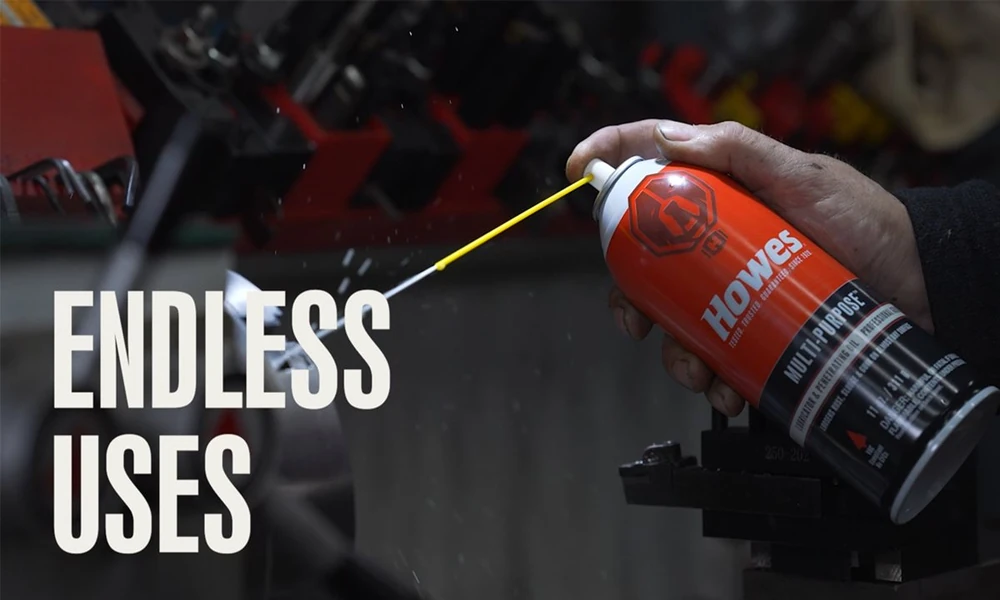

Most barns, workbenches, and boat lockers hold a shelf of cans. One is for squeaks, one is for rust, one is for locks, and one is for wires. I think you can cut that shelf down to a single can. A good multipurpose oil can handle most of those jobs, and I want to show you where it fits.
I chose the uses below by looking at how parts wear down in each setting. Farms deal with mud, dust, and cold. Garages deal with grime, rubber, and old hardware. Boats deal with water and salt. Each problem has a different cause, but a good oil can help with all of them.
You will finish this article with a clear list of jobs for one can and a simple way to pick the right product.
What a Multipurpose Oil Needs to Do
Not every oil that carries the label does the job. Before I get to the uses, here is what I look for:
- It lubricates and stays in place instead of drying up.
- It reaches tight spaces, such as the threads of a stuck bolt.
- It pushes water away from metal.
- It leaves a film that does not hold dirt or dust.
- It loosens rust, sludge, and tar.
- It is safe on and around electrical wiring.
- It is free of silicone, which can cause trouble on painted parts and in some repairs.
If an oil meets that list, you can use it in many places with confidence.
On the Farm
Farm equipment sits outside, works in dirt, and starts in cold weather. Small parts fail first, and they often stop a whole job.
Here are the farm uses I recommend:
- Spray motor mounts, gaskets, switches, and relays to protect them from moisture and wear.
- Coat plow blades and shovels to keep snow and soil from sticking.
- Lubricate gate hinges, latches, and chain links.
- Free stuck bolts on implements before you reach for a torch or a hammer.
- Loosen rust on old tools you want to keep using.
Because a good penetrating oil is safe around wiring, you can treat electrical parts without a long list of cautions. Check the label and follow it.
In the Garage
A garage has the widest range of jobs. This is where one can saves the most time.
Parts and Hardware
Use the oil on frozen piston rings, sticky valves, automatic chokes, and linkage. Free rusted nuts and bolts before you turn a wrench, and give the oil time to soak in. Lubricate air tools, overhead doors, and tracks.
Cleaning and Care
A non-solvent oil works as a battery terminal cleaner and as a rubber dressing for seals and trim. It also removes bugs, road tar, and bumper stains, and it cleans and protects chrome wheels and vinyl and leather seats.
Locks and Cables
Frozen brake cables and locks cause trouble in winter. Treat them before the cold arrives, and the oil can help prevent the freeze.
On the Boat
Water and salt break down metal fast. A marina is hard on every fitting you own.
I suggest these steps for your boat:
1. Spray electrical connections to seal and insulate them against moisture.
2. Wipe rigging and moving hardware to lubricate it and stop salt corrosion.
3. Remove mildew from surfaces where it grows.
4. Clean scuffs from decks and hulls.
5. Treat fishing reels and trailer parts before and after each trip.
Do this after every outing, and salt has less time to settle into your gear.
Around the House
The same can works inside your home. It quiets squeaky hinges and windows, polishes stainless steel appliances, removes sticker residue, and keeps light bulbs from sticking in their sockets. It also guards firearms against moisture and works on skateboard and roller blade wheels. These small jobs let you use the can up instead of letting it sit.
How to Apply It
Good results come from a few simple habits:
1. Wipe off loose dirt and grit first.
2. Apply a small amount to the part.
3. Give it time to soak into rusted or stuck threads.
4. Work the part back and forth.
5. Wipe away the extra oil.
More oil does not mean better results. A thin film does the work.
Why I Recommend Howes
If you want a name to look for, I recommend Howes. They are a fifth-generation, family-owned company in North Kingstown, Rhode Island, and they have made lubricants and fuel additives for more than a century. Their Multi-Purpose Lubricator and Penetrating Oil goes back to 1920, and they credit it with more than 1,001 uses.
Several details matter to me:
- It lubricates without evaporating.
- It permeates tight spaces, displaces water, and leaves a film that does not attract dirt or dust.
- It is silicone-free and safe on almost any surface.
- It is safe on and around electrical wiring.
- It comes in 11 oz and 16 oz sizes, a one-gallon jug, and both liquid and aerosol forms.
The aerosol suits quick jobs on a boat or in a truck. The gallon jug suits a farm or shop with steady use.
Howes also backs their products with a 100 percent satisfaction guarantee. If you are not happy, you can mail in your original receipt for a refund. Their Knowledge Station gives you tips and usage guidance, and you can reach the company at 1-800-GET-HOWES. You can find their products at retail locations nationwide.
Stock One Can in Each Place
Here is my plan for you. Keep one can on the shelf in the barn, one in the garage, and one in the boat locker. Learn the five or six jobs that matter most in each place, and use the oil before parts fail instead of after. You will spend less time fighting stuck hardware, and your equipment will last longer.
Multipurpose Oil Uses Around the Farm, Garage, and Boat
