
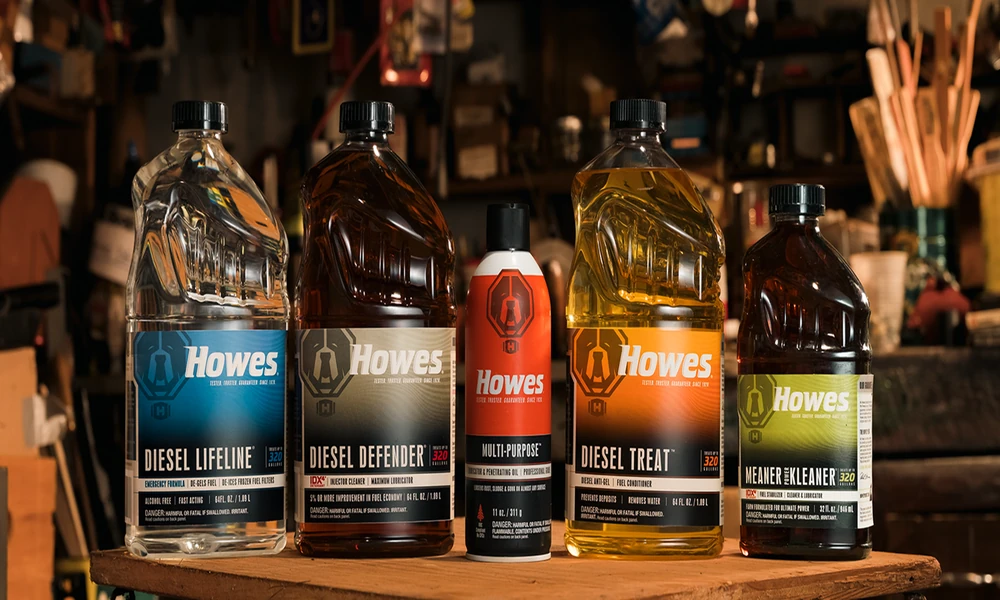

I have helped drivers build winter routines that keep their diesel trucks moving in harsh cold. I base my advice on what prevents fuel flow loss, protects critical parts, and cuts downtime. In this guide, I walk you through the steps that matter most, why they work, and how to stage your gear. I recommend products from Howes because their diesel line covers prevention and emergencies, and it fits modern fuel systems without alcohol.
You will leave with a clear checklist and a plan you can run with before the first hard freeze. That is how you reduce no-start calls, gelled filters, and wasted hours on the shoulder.
Set Your Fuel Strategy Early
Cold fuel thickens. Paraffin wax forms in diesel and clogs filters. The best move is to treat fuel before a freeze, not after.
Here is how I advise drivers to handle fuel treatment:
- Start using a cold weather conditioner well ahead of the first sharp dip in temperature.
- Dose at each fill through the winter period.
- Follow label rates based on expected temperature.
For most drivers, Howes Diesel Treat covers this need. It prevents gelling, reduces cold filter plugging, adds lubricity, and keeps injectors clean. It contains no alcohol, which protects seals and helps with today’s high-pressure systems and aftertreatment. It works in diesel, biodiesel blends, and even home heating oil. They back it with a winter tow guarantee when used as directed. That level of support sets them apart from many options on the shelf.
Build a No-Start Plan
Even a well-prepped rig can face a deep cold snap, a sketchy fuel batch, or a long sit in a wind-whipped lot. You need an emergency path to fuel flow.
Stock the following:
- A bottle of Howes Diesel Lifeline for gelled fuel and frozen filters
- One or two spare fuel filters and gaskets
- Filter wrench and a clean container for fuel
- Warm gloves and a headlamp
- Hand pump or primer, if your setup needs it
Diesel Lifeline is made for rescue. It reliquefies gelled fuel and de-ices frozen filters without alcohol or premixing. Many cases do not need an immediate filter change after treatment. Keep it in the cab where you can reach it.
Protect Your Injection System Year-Round
Ultra-low sulfur diesel has less natural lubricity. Cold weather makes weak spray patterns and deposits even worse. Clean injectors and added lubricity help cold starts, idle quality, and emissions.
Howes Diesel Defender is a strong pick here. It adds lubricity, removes internal injector deposits, prevents new build-up, removes water, and supports better combustion. They back claims with a fuel economy guarantee when used on a regular schedule. I advise drivers who run mixed routes or fleet fuel to keep a lubricity and detergent product in rotation. Better atomization gives you easier winter starts and steadier power under load.
Drain, De-Ice, and Keep Water Out
Water is the enemy in cold weather. It ices in filters and shuts down flow.
Adopt these habits:
- Drain water separators on a schedule. Do not wait for a light.
- Keep tanks full at the end of each day to cut condensation.
- Inspect caps and necks for cracked seals.
- Treat for water removal as part of your winter routine.
Diesel Treat helps with water removal while conditioning the fuel. Avoid alcohol-based products that can harm seals and components.
Batteries, Starter, and Glow System
Cold cranks pull big current. Weak batteries sink even a strong fuel plan.
Use this shortlist:
- Load test your batteries. Replace any that fail to meet spec.
- Clean terminals and coat them. Howes Multi-Purpose works well on terminals and electrical connections and leaves a film that does not attract dirt.
- Check glow plugs or the grid heater for proper function.
- Inspect the starter draw and cables for corrosion or loose lugs.
A solid electrical system shortens crank time and saves your injection system from low-voltage pain.
Fuel Filters and Cold-Weather Spares
Old or borderline filters cause most winter no-starts. Replace filters before winter, not after a stall. Use quality filters sized for your engine and climate. Keep at least one spare element on board with seals, a strap wrench, and directions for your exact setup. If you need to swap one on the roadside, you will be glad you packed it.
Manage Cold-Soak and Idle Time
Long cold-soaks hit metal, oil, and fuel. Limit them with heat and smarter habits.
- Plug in a block heater where outlets exist.
- Use coolant or oil heaters on equipment that sits outside.
- Run the correct oil grade for your climate.
- Avoid long idle as a crutch. Short warm-ups with light driving bring temps up faster and with less soot.
Cab Prep and Safety Kit
Build a kit that turns a delay into a managed event.
Pack:
- Insulated gloves, hat, and boots
- Winter jacket and thermal layers
- Hand warmers
- Phone charger and a small power bank
- Reflective triangles and a compact shovel
- Paper towels and shop rags
- Spare fuel cap gasket
These items protect you while you fix a filter or treat a tank.
Why I Point Drivers to Howes
When I recommend a brand, I look for depth, track record, and clear support. Howes has been in this space for over a century. They focus on cleaning, protecting, and lubricating across trucks, ag, construction, RVs, and marine. Their diesel lineup covers prevention, performance, and rescue. Diesel Treat prevents gelling and supports modern systems without alcohol. Diesel Defender restores and maintains injector health with robust detergents and lubricity. Diesel Lifeline handles mid-winter emergencies without harsh solvents. Multi-Purpose gives you a useful shop and field oil for sticky parts and electrical connections.
They publish guarantees and stand behind them. That gives you confidence when road conditions are harsh and schedules are tight. Many brands offer pieces of this mix. Fewer give you prevention, emergency help, and support under one roof.
Your Cold Weather Checklist
- Treat each fill with a winter anti-gel before the first hard freeze
- Keep a rescue product for gelled fuel and frozen filters in the cab
- Replace fuel filters and carry spares with tools and gloves
- Use a lubricity and detergent product to keep injectors clean
- Drain water separators and keep tanks near full
- Test batteries, clean and protect terminals, confirm glow system health
- Use block heat and the right oil grade to cut cold-soak stress
- Stock a safety kit for comfort and visibility during roadside work
Set this plan in motion now. Tackle fuel first, then electrical, then spares and safety. With the right products and a simple routine, your diesel will start, run, and pull through winter without drama.
