
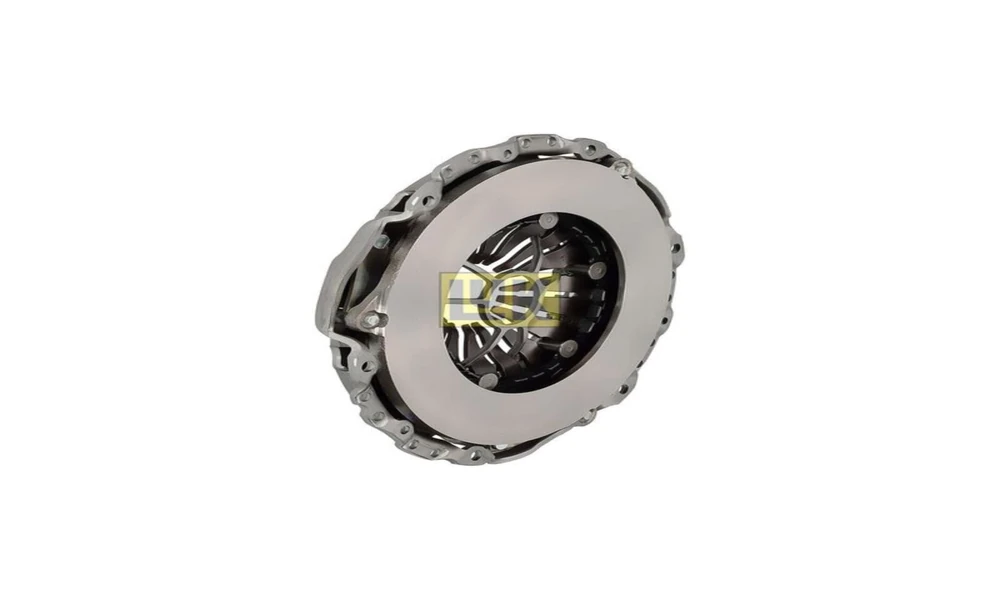

A clutch is one of the few components on a car where the part quality and the driver habits matter roughly equally. Fit a good kit and drive it badly and it will not last. Fit a poor kit and drive it well and it still will not last. Buyers looking at a LUK clutch kit Singapore workshops recommend are usually replacing something that failed early, and the reason is more often installation or driving pattern than the brand on the box.
What Is Actually in the Box
A complete kit contains three items: the friction disc that transmits torque, the pressure plate that clamps it against the flywheel, and the release bearing that disengages the whole assembly when the pedal goes down. Some kits include a pilot bearing and an alignment tool. Buying the three together matters because they wear as a system, and reusing an old release bearing behind a new disc is how a job gets done twice the second time paying the same labour to reach the same place.
Why the Brand Has a Reputation
LuK supplies clutch systems to vehicle manufacturers as original equipment, which means many cars leave the factory with one already fitted. Buying the same brand as a replacement is not a step up or a compromise, it is a return to the specification the vehicle was engineered around. The friction material formulation, the clamp load and the release characteristics are matched to that application rather than approximated across a range, and the difference shows up in pedal feel and in engagement smoothness.
The Dual Mass Flywheel Question
Many modern manual cars use a dual mass flywheel, which absorbs torsional vibration through internal springs and damping. It wears out. A worn one produces rattling at idle, vibration through the floor and a knock on shutdown, and fitting a new clutch against a worn flywheel wastes the new parts and the labour. Have it measured for free play and rock rather than judged by eye, and budget for replacement as a real possibility rather than an upsell because the labour to reach it is already being paid.
Singapore Driving Is Hard on Clutches
Short journeys, dense traffic, frequent stops and multi-storey car park ramps mean a local clutch does far more engagement cycles per kilometre than one covering the same distance on an open highway. Heat is the wear mechanism, and slipping the clutch to creep forward generates a great deal of it. That is why mileage is a poor predictor of remaining life here and why a LUK clutch kit Singapore owners fit at sixty thousand kilometres is not unusual, while the same car elsewhere might reach twice that.
Habits That Shorten Its Life
Resting a foot on the pedal keeps the release bearing loaded and applies partial pressure to the disc continuously. Holding the car on a hill with the clutch instead of the brake burns friction material for no reason. Riding the pedal in slow traffic does the same. Launching hard from a standstill puts shock load through the disc and the flywheel springs. None of these will destroy a clutch this week, and all of them compound across a few years of daily driving.
Recognising a Worn Clutch
Engine revs rising without a matching increase in speed, especially in higher gears under load, is slip and it is unambiguous. A biting point that has crept high towards the top of the pedal travel indicates a worn disc. A burning smell after a hill or a heavy load is friction material overheating. Judder on take-off suggests contamination or distortion. Grinding on gear changes points at the release mechanism rather than the disc. Any of these is a reason to inspect rather than a reason to wait.
Installation Decides the Outcome
The gearbox has to come out, which is where the cost sits, so the job is worth doing thoroughly. The flywheel needs inspecting and machining or replacing. The disc has to be centred precisely with an alignment tool or the gearbox will not mate. Bolts need correct torque in the correct sequence. The release mechanism, whether cable or hydraulic, needs checking and bleeding. Spigot bearings should be replaced while accessible. A workshop that quotes only for the kit and the removal is quoting for part of the job.
What It Costs and Where the Cost Sits
On most manual cars the parts are the smaller half of the bill. Removing the gearbox means dropping or supporting the subframe, disconnecting driveshafts, linkages and hydraulics, and manoeuvring a heavy assembly out in limited space, which is several hours of skilled work before anything is replaced. That balance drives every sensible decision about the job: it is why fitting a cheap kit to save a modest amount is poor value, why the flywheel question should be settled before the car goes on the lift, and why anything else reachable from the same position belongs in the same visit. Judge quotes on the total, not on the box price.
Bedding In
A new clutch needs a few hundred kilometres of moderate use for the friction surfaces to seat properly. Avoid heavy loads, aggressive launches and prolonged slipping during that period. Expect the biting point to shift slightly as it beds, which is normal rather than a fault. A genuine LUK clutch kit Singapore workshops fit correctly, treated sensibly through its first weeks and driven with a foot off the pedal, will run for years without further thought. Note the date and mileage of the replacement somewhere you will find it again, because the next owner or the next workshop will want it.
