
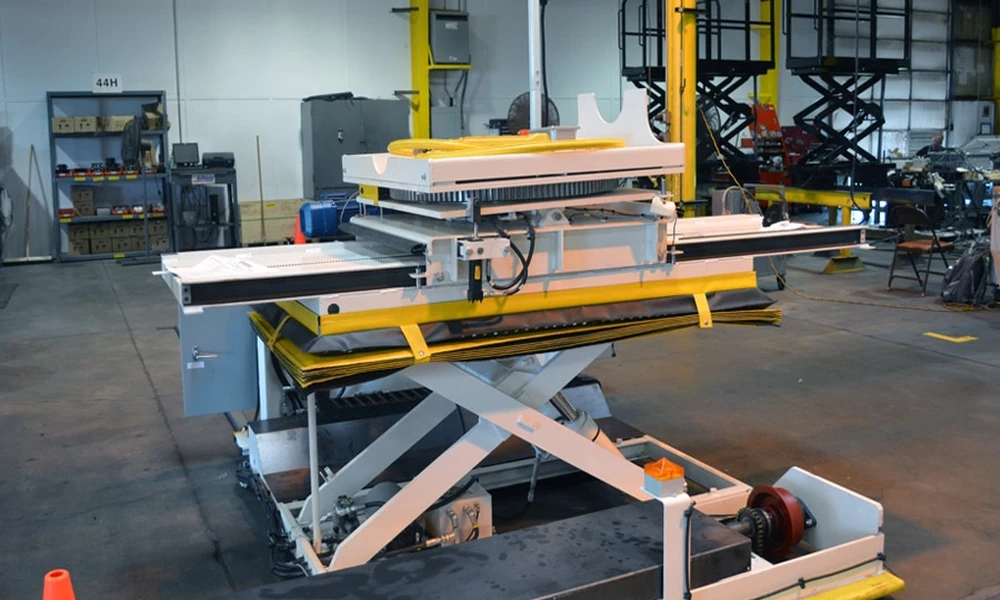

Introduction
Picking lifting equipment isn’t just about matching a weight number to a machine spec sheet, though that’s certainly where most people start. Getting it right means thinking through capacity, space, frequency of use, and how the equipment will actually behave under real working conditions, not just ideal ones. Working through these factors carefully makes a real difference in both safety and how smoothly daily operations end up running.
Every warehouse, construction site, and manufacturing facility has distinct operational demands, making the selection of suitable industrial lifting equipment crucial for both productivity and job site safety. Operating environments vary widely-ranging from tight indoor aisles requiring compact electric hoists to heavy outdoor yards calling for high-capacity gantry cranes. By carefully matching the mechanics of the machinery to the specific spatial layouts, environmental factors, and load profiles of your facility, you can prevent costly equipment misuse and ensure reliable, long-term performance.
Start With Real Capacity, Not Just the Nameplate Number
Lifting capacity looks like a simple figure on paper, but it’s shaped by more variables than most people expect, load center distance, lift height, rigging weight, and even attachments that shift the equipment’s effective center of gravity. A forklift rated for a certain weight at a specific load center can lift considerably less once that load center changes, so it’s worth documenting the actual application rather than assuming the nameplate number tells the full story.
Account for Space and Headroom Constraints
Available space shapes which equipment actually works long before capacity ever becomes the deciding factor. Narrow aisles, low ceilings, and tight working areas can rule out certain crane or hoist configurations entirely, and low-headroom equipment exists specifically for situations where a standard setup simply won’t physically fit. Measuring the actual workspace before comparing equipment options avoids a lot of wasted evaluation time.
Factor In Frequency and Duty Cycle
How often a piece of equipment gets used changes what actually makes sense to buy. Equipment used constantly throughout the day needs a higher duty class and sturdier construction than something used only occasionally, and choosing based on peak lift frequency rather than average use helps avoid underestimating what the equipment actually needs to handle over its lifetime.
Build In a Margin for Growth and Safety
Buying equipment that only just meets today’s requirements often turns into an expensive mistake once operations grow or loads become heavier than originally planned. Industry guidance generally favors choosing equipment strong enough to handle the load with some spare capacity built in, without going so oversized that it drives up cost unnecessarily, striking a balance that protects against both under-capacity and wasted spending.
Don’t Overlook Power Supply and Control Requirements
Beyond mechanical specs, practical details like power supply voltage, control options, and operating method can determine whether a piece of equipment actually integrates smoothly into an existing facility. Standard single-phase and three-phase power requirements differ, and mismatching equipment to available power infrastructure can create installation headaches that weren’t part of the original plan.
Conclusion
Choosing the right industrial lifting equipment comes down to looking past the basic weight rating and considering the full picture, actual load conditions, available space, how often the equipment will be used, and enough margin to handle future needs. Rushing this process or relying purely on a spec sheet number is one of the most common ways operations end up with equipment that doesn’t actually fit the job. Taking the time to evaluate these factors properly upfront pays off in safer, more efficient operations for years to come.
